
"The world's rarest"
300 article(s) found

Introduction to the Flavor of Fine Coffee beans with unique Grain shape and complete Yemeni Coffee varieties
Yemeni coffee originated from Arabian coffee trees hundreds of years ago, all produced in areas above 3000 feet above sea level. For hundreds of years, the unique planting and production methods of Yemeni coffee have remained almost unchanged. The seedlings of Yemeni coffee trees are first cultivated in nurseries and then transplanted to high elevations. Pesticides and fertilizers are not used in the breeding process. Mature coffee beans are naturally dried on coffee trees and shelled by stone grinding.

Yemeni Coffee varieties with complete Grain shape and unique Flavor introduction to Fine Coffee beans in Manor
Yemeni coffee originated from Arabian coffee trees hundreds of years ago, all produced in areas above 3000 feet above sea level. For hundreds of years, the unique planting and production methods of Yemeni coffee have remained almost unchanged. The seedlings of Yemeni coffee trees are first cultivated in nurseries and then transplanted to high elevations. Pesticides and fertilizers are not used in the breeding process. Mature coffee beans are naturally dried on coffee trees and shelled by stone grinding.

Flavor description of Salvadoran coffee beans introduction to the grinding scale of the treatment method in the manor area
The flavor description of Salvadoran coffee beans the grinding scale of the processing method in the manor region introduces that the rarest coffee beans on the market in Ethiopia are Yirgachaffe coffee beans, which are exported to Japan and Europe, but are rarely seen in the United States. This is because Dallmeyer, the German coffee roaster owned by Nestle, is the same company.
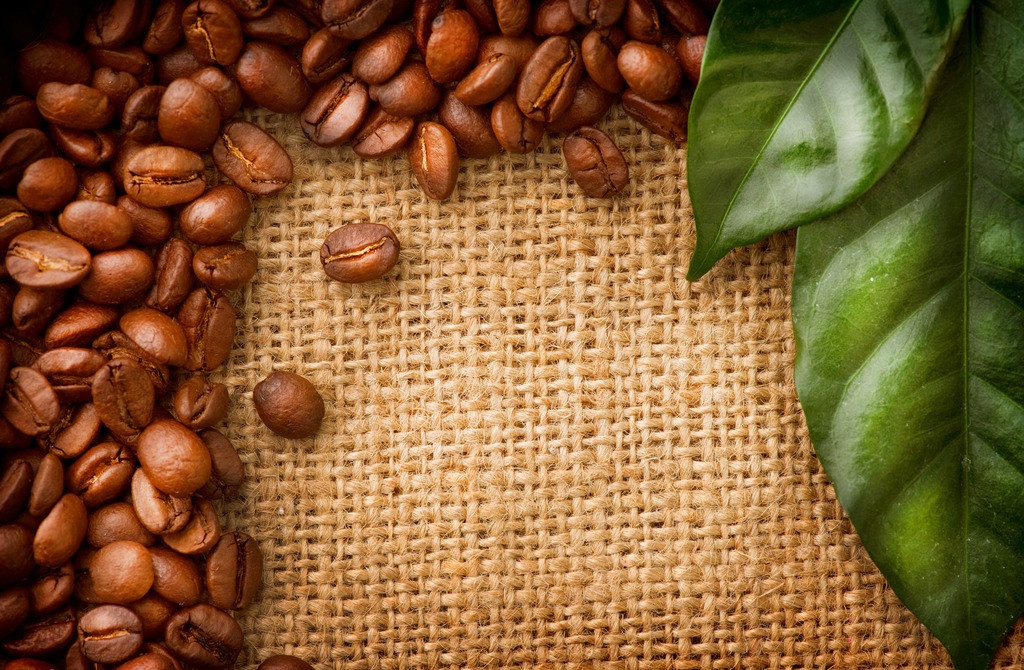
Yemeni coffee varieties with unique flavor and complete grain shape introduce the flavor of fine coffee beans in Manor.
Yemeni coffee originated from Arabian coffee trees hundreds of years ago, all produced in areas above 3000 feet above sea level. For hundreds of years, the unique planting and production methods of Yemeni coffee have remained almost unchanged. The seedlings of Yemeni coffee trees are first cultivated in nurseries and then transplanted to high elevations. Pesticides and fertilizers are not used in the breeding process. Mature coffee beans are naturally dried on coffee trees and shelled by stone grinding.
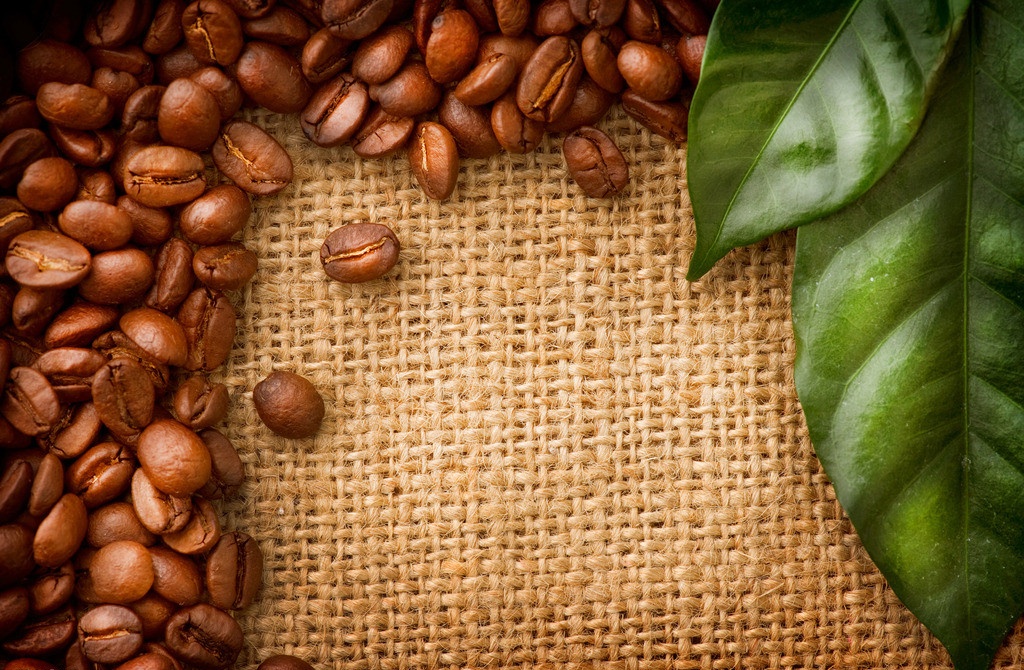
Unique flavor, complete grain shape, taste characteristics of Yemeni coffee varieties, introduction to the flavor of fine coffee beans in the manor.
Yemeni coffee originated from Arabian coffee trees hundreds of years ago, all produced in areas above 3000 feet above sea level. For hundreds of years, the unique planting and production methods of Yemeni coffee have remained almost unchanged. The seedlings of Yemeni coffee trees are first cultivated in nurseries and then transplanted to high elevations. Pesticides and fertilizers are not used in the breeding process. Mature coffee beans are naturally dried on coffee trees and shelled by stone grinding.
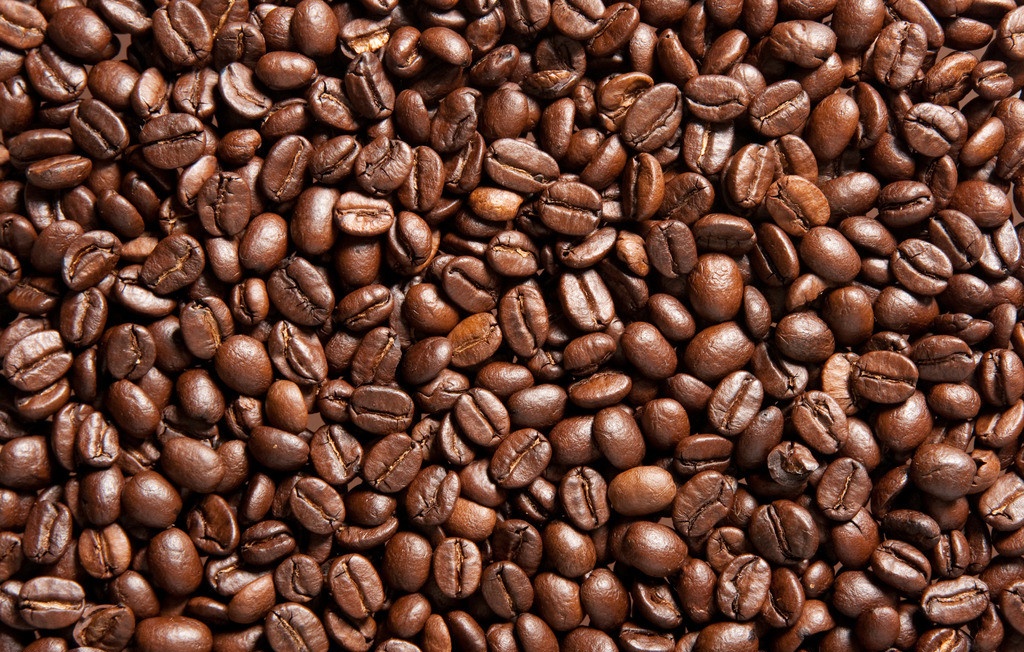
Taste characteristics of Yemeni coffee varieties with unique flavor and complete grain shape introduction to the flavor of fine coffee beans in the manor
Yemeni coffee originated from Arabian coffee trees hundreds of years ago, all produced in areas above 3000 feet above sea level. For hundreds of years, the unique planting and production methods of Yemeni coffee have remained almost unchanged. The seedlings of Yemeni coffee trees are first cultivated in nurseries and then transplanted to high elevations. Pesticides and fertilizers are not used in the breeding process. Mature coffee beans are naturally dried on coffee trees and shelled by stone grinding.

The roasting of Yega Sidamo Coffee in English
Yirgacheffe coffee raw bean is one of the most distinctive coffee in the world, rare and expensive, produced in the highlands of Ethiopia's sidamo province (4000 feet above sea level). It is an outstanding representative of washed coffee in Africa, with unique citrus and lemon fruit aromas, jasmine aromas, moderate roasting and soft acidity, deep roasting.

Indonesia Luwak civet coffee how to drink? What brands of Indonesian coffee do you recommend?
Professional coffee knowledge exchange more coffee bean information Please pay attention to the coffee workshop (Wechat official account cafe_style) the total output of coffee in Indonesia is also among the largest in the world, and the production of Arabica and Robsta is balanced in scale, with everything from cheap to noble quality. In addition, Indonesia is made up of 17508 archipelago and is the largest archipelago country in the world.

A brief introduction to the treatment method of grinding degree and baking degree of Yemeni coffee mocha coffee beans with unique flavor and complete grain shape
There are many varieties of Yemeni coffee, most of which are named after their origin and type, with different flavors, such as fresh wood, tobacco, musk, fruit wine, roasted nuts, cocoa and warm seasonings, especially Moha coffee. At present, Yemeni Moha coffee is most famous on the market, such as Isemary, Matari, Sanani and other varieties. Sanani coffee has medium-sized beans and fruit wine style.

The most expensive coffee cat shit in the world
"Kopi", one of the top luxury goods in the world of Kopi Luwak, means "coffee", while "Luwak" refers to an arboreal wild animal commonly known as "civet" in Indonesia.

Why is cat poop coffee the most expensive coffee in the world?
Cat poop coffee, Indonesia, one of the world's most expensive coffee. Indonesia grows a large number of coffee crops. In Sumatra, a wild arboreal animal called civets likes to eat fat and rich coffee fruits. Coffee beans ferment and digest in their bodies, but the hard seeds cannot be digested. They are discharged with feces. The feces become coffee beans.
Cat poop coffee The most expensive animal poop coffee in the world
Cat poop coffee, Indonesia, one of the world's most expensive coffee. Indonesia grows a large number of coffee crops. In Sumatra, a wild arboreal animal called civets likes to eat fat and rich coffee fruits. Coffee beans ferment and digest in their bodies, but the hard seeds cannot be digested. They are discharged with feces. The feces become coffee beans.
Kopi Luwak the most expensive coffee in the world
Kopi Luwak, produced in Indonesia, is one of the most expensive coffee in the world. Indonesia grows a large number of coffee crops. On the island of Sumatra, a kind of arboreal wild animal called civets likes to eat fat, multi-paddled coffee fruits. Coffee beans are fermented and digested in their bodies, but the hard hard nuts cannot be digested. With feces excreted, the feces become grains of coffee beans.

Indonesian Kopi Luwak the most expensive coffee in the world
Kopi Luwak, produced in Indonesia, is one of the most expensive coffee in the world. Indonesia grows a large number of coffee crops. On the island of Sumatra, a kind of arboreal wild animal called civets likes to eat fat, multi-paddled coffee fruits. Coffee beans are fermented and digested in their bodies, but the hard hard nuts cannot be digested. With feces excreted, the feces become grains of coffee beans.

Costa Rica Divisa Manor introduces what is the variety of pink Liberica coffee?
Costa Rica has a mild climate, rainy mountains and fertile soil formed by volcanoes, which makes it the most suitable environment for coffee growth. In addition to the superior growth environment, the Costa Rican government also had the foresight to develop the coffee industry at the beginning of the 19th century. So far, Costa Rican coffee has surpassed cocoa, tobacco and sugar.

The world's most expensive coffee item, the Indonesian Kopi Luwak Kopi Luwak features Kopi Luwak
Kopi Luwak, produced in Indonesia, is one of the most expensive coffee in the world. Indonesia grows a large number of coffee crops. On the island of Sumatra, a kind of arboreal wild animal called civets likes to eat fat, multi-paddled coffee fruits. Coffee beans are fermented and digested in their bodies, but the hard hard nuts cannot be digested. With feces excreted, the feces become grains of coffee beans.
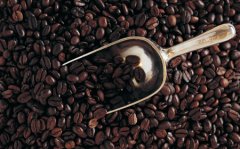
Indonesian Kopi Luwak, the most expensive single coffee in the world, the taste of civet coffee.
Kopi Luwak, produced in Indonesia, is one of the most expensive coffee in the world. Indonesia grows a large number of coffee crops. On the island of Sumatra, a kind of arboreal wild animal called civets likes to eat fat, multi-paddled coffee fruits. Coffee beans are fermented and digested in their bodies, but the hard hard nuts cannot be digested. With feces excreted, the feces become grains of coffee beans.

How did Kopi Luwak come from? a brief introduction to Kopi Luwak
Follow the caf é (Wechat official account vdailycom) and found that the Beautiful Cafe opened a small shop of its own, Kopi Luwak, which was picked out by a kind of arboreal wild animal called musk cat on the Indonesian island of Sumatra.

How much is Kopi Luwak? a cup of cat poop coffee hand brewing parameters.
Professional barista exchanges please follow the coffee workshop (Wechat official account cafe_style) product introduction] the Indonesian Kopi refers to coffee, while the Indonesian refers to a kind of arboreal wild animal commonly known as the civet, but it is actually different from the so-called civets in other countries. Musk Kopi Luwak is mainly concentrated in Sumatra, Java, Bali and Sura in Indonesia.